
Guide
The Latest LaVoice Build: Rebuilt Blocks, New Animations, Better Explosions
The latest LaVoice build rebuilds every object model in blocks, adds creature animations, reworks explosions, deepens the arena, and sharpens voice diagnostics.
 By Amelia Hart, Mobile Game Reviewer
CONTENTS On this page
The Short Version
The latest LaVoice build is the one where the game's three systems all moved at once: the building set, the destruction, and the voice pipeline. If you played an earlier test build and drifted away, this is the round of changes worth returning for.
This guide walks the changes in the order you will feel them in a match, and ends with the one practical consequence every returning player needs to know. If you want the verified game facts behind every guide here, start with the LaVoice homepage, where the current build, package, and safety checks for the game are kept current.
Rebuilt in Blocks
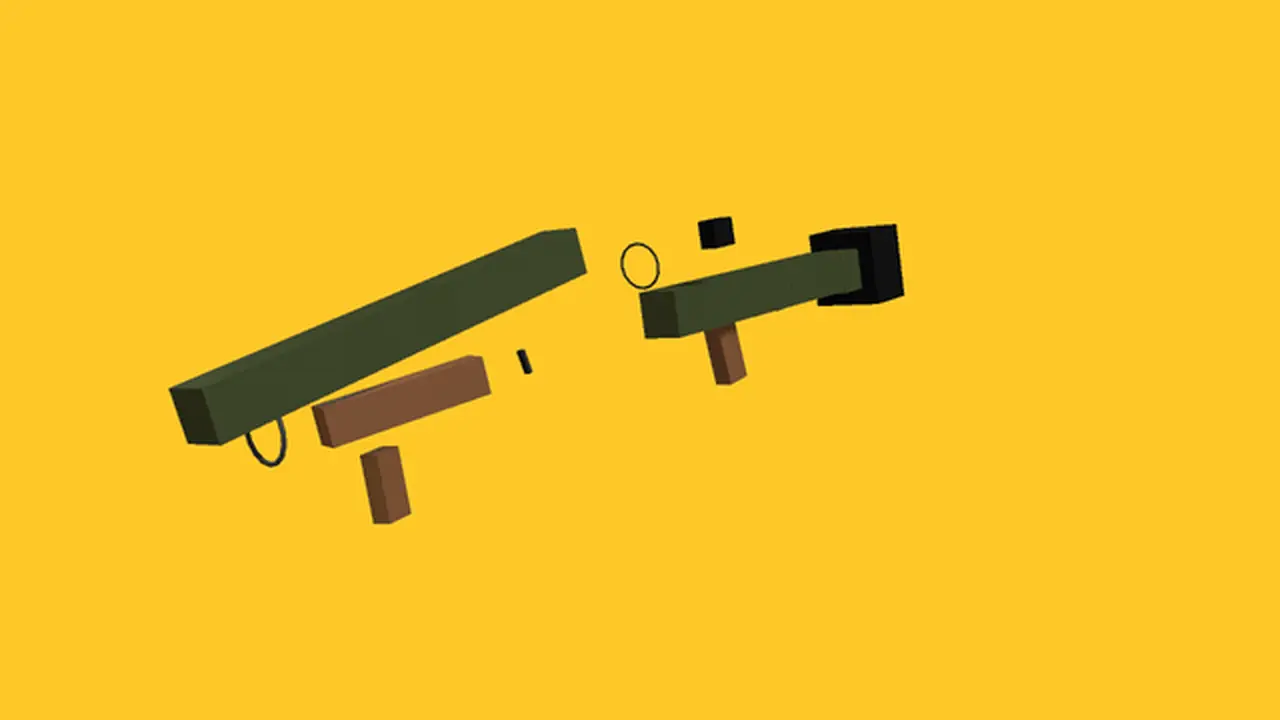
Every object model in the game has been rebuilt from blocks with more detail and colour. Creations read better at a glance: yours, because you can see the traits you paid for, and rivals', because you can estimate what their build cost and what it probably does before it does it to you.
Creature animations are new alongside, which matters more than it sounds in a game full of pigeons with jobs. Movement sells scale and intent, and the arena's menagerie finally performs like it means it.
Explosions That Match
Explosions have been reworked so the destruction area matches the damage area, and craters now spread in waves. In plain terms: what you see break is what broke, and a big blast remodels terrain the way the picture in your head said it would. Terrain strategy gets more honest, and footing based plans get more dangerous, which is the correct direction for both.
The original arena's terrain also runs deeper now, which quietly changes the economy: more world underneath means longer matches before the map reaches lace, and more room for extraction strategy to matter.
The Voice Pipeline
Voice diagnostics are more detailed in this build, detecting a clipping microphone and choppy or metallic voice chat during play rather than leaving you to guess why a request failed. Performance fixes and a leaner download round out the release.
The practical consequence for returning players: this build cannot share rooms with earlier builds. Update before you arrange a session, and tell your room to do the same, or the evening starts with a connection refusal instead of a match.
Putting It Into Practice
Start smaller than your ambition. The players who get the most from LaVoice begin with the cheapest version of the plan in front of them, learn how the match behaves, and only then trust the same flow with a creation that matters. Small builds are rehearsals where the mechanics become invisible, and invisible mechanics are what let a game disappear into a habit.
None of this asks for perfection. It asks for the same care you would want from the game itself: requests understood honestly, creations priced fairly, and outcomes that follow the description you gave. Run your side of that bargain and the builder, most matches, runs its side too.
Talk to your room like people, not like an audience. A warning before you demolish shared footing, a credit for the build that saved the tower, a plan spoken early enough to matter: these courtesies are the difference between a room that forms once and a group that forms every week. LaVoice runs on that return traffic.
Lessons From Testing
The mistake that shadows every topic on this site is treating the game as a vending machine: insert description, receive victory. LaVoice is closer to a negotiation with a room. Rooms respond to how they are played, and a player who extracts carelessly, phrases lazily, or ignores the endgame will watch the arena go quiet over a fortnight. The fix is never a setting. It is the slow, ordinary work of harvesting better, describing honestly, and reporting back on what was built, which is why the guides here return so often to habits rather than buttons. Buttons end; habits compound, and compounding is what turns a novelty download into the way a person simply plays.
Time is the quiet variable in every guide on this site. Requests spoken early, while the arena is full and the room is calm, build the tempo that later requests inherit; the same description spoken into a collapsing endgame arrives as a gamble wearing a disguise. Updates installed patiently, over the top, with a restart and a minute of settling, behave; updates rushed at midnight misbehave theatrically. Even this page's troubleshooting starts with permissions and patience rather than reinstalls for a reason. Most of what looks like game behaviour is timing, and most of mastery, in LaVoice as in the studio, is learning when to press the button.
Field Notes
- Returning players: update before arranging any room.
- Read rivals' rebuilt creations to estimate their cost.
- Trust the new explosions: damage and destruction now agree.
- Use the voice diagnostics instead of guessing at microphone faults.
Two companion guides deepen this topic. For the neighbouring angle, read Offline Voice Recognition in LaVoice: Your Voice Never Leaves the Device, and for the practical follow-on, see Best First Creations in LaVoice: Strong Starts on a Small Block Budget. Both were written from the same round of testing on real devices, so the advice lines up without repeating itself.
LaVoice rewards people who treat its small mechanics with respect: honest requests, fair budgets, and creations that get used and credited. Master the habit covered in this guide and the game stops being a novelty and becomes the way matches simply get played.
Quick Answers
Do I need to reinstall to get the latest LaVoice build?
No. Install the new build over the existing game, the standard update path, and your settings carry across.
Can the latest build play with earlier builds?
No. Every player in a room must run the same build, so groups update together.
What is the biggest change in the latest build?
Creations themselves: every object model rebuilt in blocks, with explosions and terrain reworked to match.