
Guide
Destructible Arena Strategy: Terrain Is a Resource in LaVoice
In LaVoice the map is money, cover, and a timer at once. Strategy for extracting without disarming your own position, and fighting as the arena disappears.
 By Amelia Hart, Mobile Game Reviewer
CONTENTS On this page
The Short Version
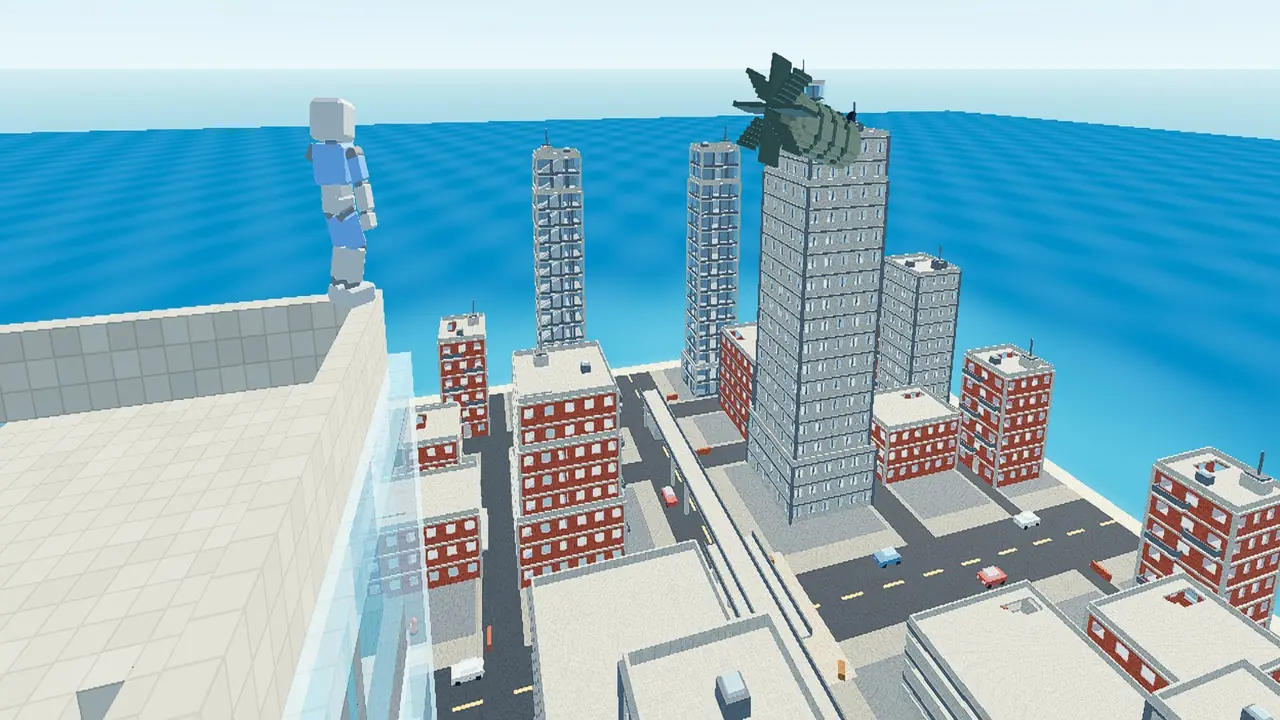
Destructible arenas exist in other shooters, but LaVoice makes destruction the economy itself. Every block you extract is spent on creations, every explosion removes ground somebody was standing on, and the arena you finish in barely resembles the one you started in.
This guide covers the strategic habits that follow from that: where to extract, what to preserve, and how to fight the endgame on a map made of holes. If you want the verified game facts behind every guide here, start with LaVoice voxel shooter, where the current build, package, and safety checks for the game are kept current.
Extract Without Disarming Yourself
The golden rule is to harvest the second most useful structure, never the one currently keeping you alive. Your wall is worth more standing than spent, at least until the fight has moved past it. Eat the scenery behind the fight, not the scenery in it.
Work edges and interiors too. A tower harvested from inside keeps its silhouette, and its cover value from a distance, while paying you most of its blocks. Rivals scouting the skyline see a fortress; you know it is a shell with a turret budget inside it.
Destruction as a Weapon
Explosions in the current build remove exactly the area they damage, which makes them honest tools: crater the floor under a camper, drop a harvested thin bridge, open a wall to end a hiding spot. Destruction aimed at terrain beats destruction aimed at players more often than pride admits.
The reverse also holds. When you hear a rival building something enormous, ask where they will stand to admire it. Expensive creations deserve expensive footing, and footing in this game is temporary by design.
Fighting the Endgame Map
Late matches are played on lace. Sightlines run through three rooms at once, floors are suggestions, and extraction spots are all famous and watched. This is why veterans keep a movement creation or a reserve in the budget: on a ruined map, position is the scarcest resource of all.
If you reach the endgame poor, play the ruins. Holes are cover from most angles, rubble breaks line of sight, and a cheap creation fired from an unexpected gap beats a masterpiece announced from the last standing tower.
Putting It Into Practice
Keep a tiny log of what you built and what it cost you. It sounds excessive for a game built on ridiculous weapons, yet three weeks of logged matches becomes the most honest record of your own style you own: which creations the arena keeps rewarding, which requests you phrase badly under pressure, and which budgets you blow when you already know the sensible answer.
Treat each match as one take in a longer session. A take can be redone, a session builds a body of work. The players with the happiest rooms think in sessions: this week's extraction routes, this month's signature build, this season's endgame habits, each match a little sharper than the last because the last one taught something.
If a rival's creation surprises you, study it before you copy it. Surprise is the product you came for: evidence that another player's imagination spends blocks differently from yours. Players who only ever build the meta are not designing, they are applauding a list, and the arena can tell the difference even when the player cannot.
Lessons From Testing
It is worth saying plainly what LaVoice is not doing while all this happens. It is not replacing skill; it is relocating it. Aim still matters, positioning still matters, nerve still matters. What moved is the arsenal: from a designer's list to your own description, priced in the ground you are standing on. Mature players accept the trade completely and train all four skills at once, which is why their matches look calmer as the creations get stranger. The game gives you a workshop. What you owe the workshop is requests worth building.
Finally, remember that behind every creation in this game there is a person who spent real blocks and real nerve to build it in front of you. Multiplied across a room that is a real gift, and the culture of LaVoice, at its best, knows it. Say thank you by crediting the build. Say it by hosting in return. Say it by never stalling a room, never griefing a harvest, and never describing a request you do not intend to fight with. The technology is a microphone and a pile of blocks, charcoal, cream, and orange, nothing more. The civility is what makes it sing, and civility, fortunately, scales.
Field Notes
- Harvest the second most useful structure, never your own cover first.
- Hollow out buildings from inside to keep their silhouette.
- Aim explosions at footing and hiding places, not just players.
- Keep a reserve for movement when the map turns to lace.
Two companion guides deepen this topic. For the neighbouring angle, read LaVoice Microphone Not Working? Fixes for Recognition and Voice Chat, and for the practical follow-on, see LaVoice Beginner Mistakes: Seven Ways New Players Waste Blocks and Matches. Both were written from the same round of testing on real devices, so the advice lines up without repeating itself.
LaVoice rewards people who treat its small mechanics with respect: honest requests, fair budgets, and creations that get used and credited. Master the habit covered in this guide and the game stops being a novelty and becomes the way matches simply get played.
Quick Answers
Does the arena ever fully disappear in LaVoice?
Matches trend that way: extraction and destruction steadily remove the world, which is why endgames feel so exposed.
Is it better to extract my own area or push into a rival's?
Yours early, for safety and speed. A rival's area pays in denial as well as blocks, but it costs travel and exposure.
Can I rebuild terrain in LaVoice?
Creations are built from blocks, and objects you build can shelter you, but the economy is designed around a shrinking world, not a restored one.